Technology Development

Driving Innovation for Greater Accessibility and Independence​​

Researchers at CIDE are pioneers in the development of user-centered technologies for improving accessibility, enhancing independence, and fostering human potential -- tackling challenges in aging, disability, and healthcare. ​

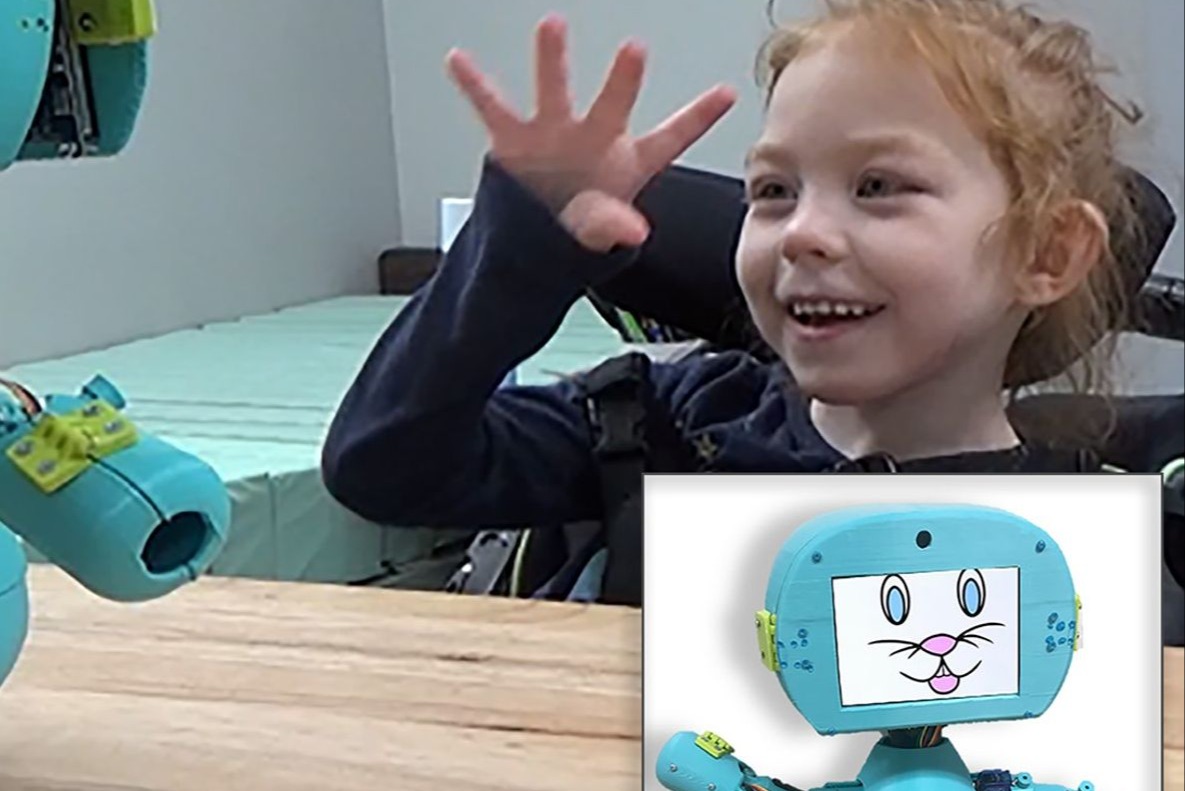
A young girl smiles broadly while interactive with a social robot designed by CIDE engineers.

Research Areas

SMILEi - Pushing the Boundaries of Socially Assistive Robotics to Transform Aging in Place

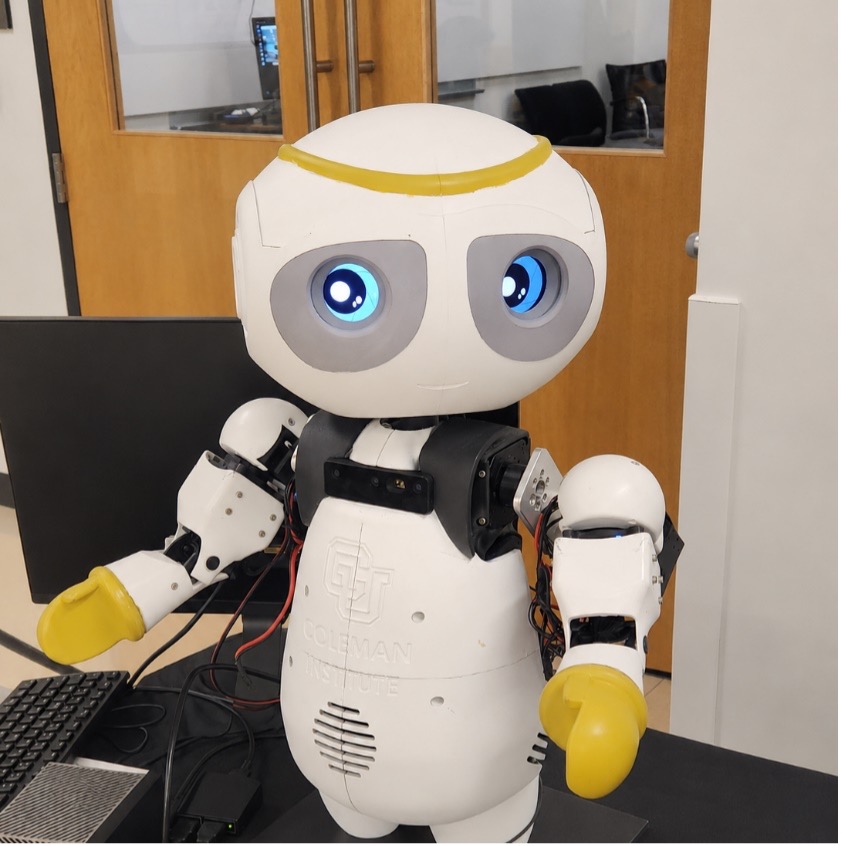
A small friendly robot sits on a desk. C U Coleman Institute Logo on it's chest.
Principal Researchers: Ismael Sánchez-Osorio, PhD; Cathy Bodine, PdD, CCC-SLP Others Involved: Alberto Muñoz, PhD; Emmanuel Nuño, PhD; Luis Tabarez, MS
Collaborators: Eduardo Tijerina, BS; Troy Ogborn; Yeongdae Kim, PhD
Student Researchers: Arturo Murra; John (Jack) Lueck; Kristeen Neuman

This project advances SMILEi (Social Multimodal Interface for Learning and Embodied Intelligence), a platform that uses Socially Assistive Robots (SARs) to help older adults live independently and thrive at home. The platform allows caregivers to interact with older adults remotely in real-time, while the system learns from each interaction to better respond to the individual's needs. The goal is to develop and test these technologies in real-world settings to provide affordable, ongoing support that enhances quality of life and extends independent living.​

Contact Information: For more information, contact Ismael Sánchez-Osorio at ismael.sanchezosorio@ucdenver.edu

Sensing Propulsion in Native Environments (SPIN)

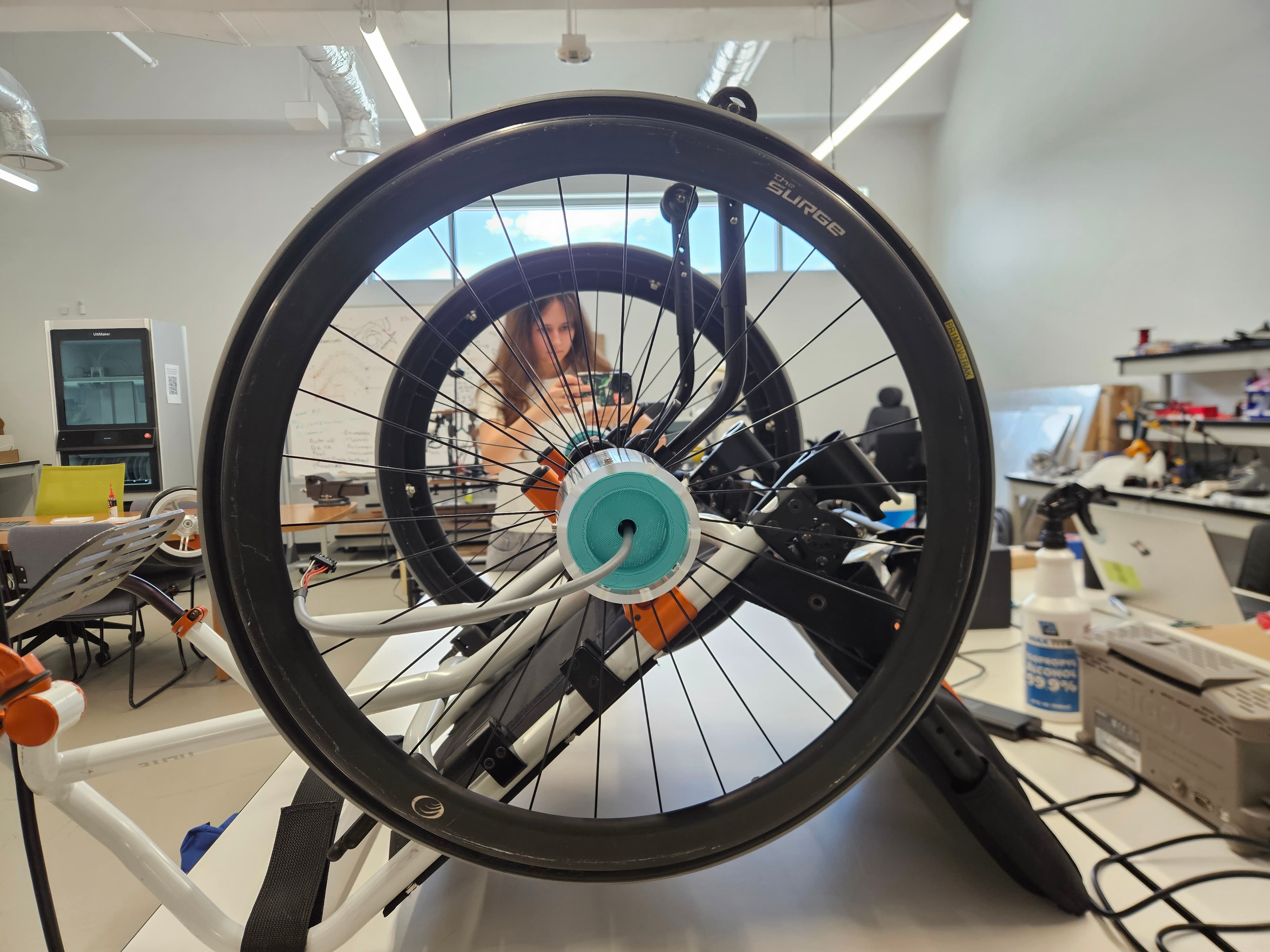
Researcher examines the SPIN sensor device mounted on a manual wheelchair wheel in a laboratory setting.
Principal Researchers: Morris Huang, PhD Others Involved: Kendall Hunter, PhD; Becky Breaux, PhD, OTR/L, ATP Student Researchers: Sienna Phipps, BS; Mason Bashara; Luke Chabin (CU Boulder) Funding: Funded by the National Institute on Disability, Independent Living, and Rehabilitation Research (NIDILRR grant number 90SFGE0021) and the CU Denver Office of Research Services (Seed Grant Award).​

This project develops SPIN (Sensing Propulsion In Natural environments), a tool that tracks real-world mobility patterns of manual wheelchair users over multiple days. In clinical settings, SPIN will be used to collect data and generate a summary dashboard to help clinicians tailor wheelchair training and prescriptions to individual needs. In research settings, this data can guide updates to clinical assessments like the Wheelchair Skills Test by reflecting how users move in daily life.​

More Information: Download the Abstract Contact Information: For more information, contact Morris Huang at morris.huang@cuanschutz.edu.

Augmented Reality Measurement System (ARMS)

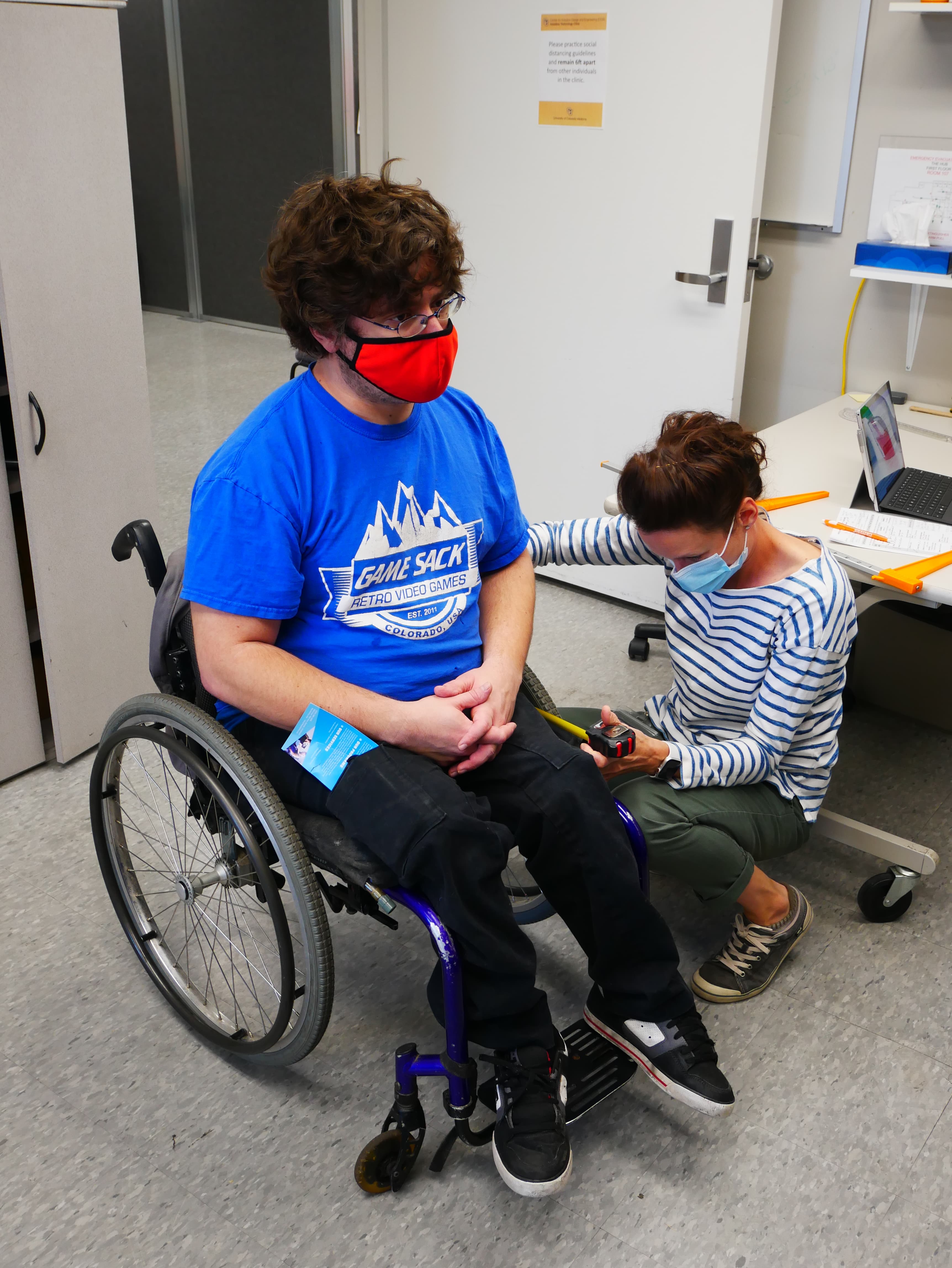
A clinician measures a man in a wheelchair
Principal Researchers: Morris Huang, PhD Others Involved: Kendall Hunter, PhD; Becky Breaux, PhD, OTR/L, ATP

This project develops ARMS (Augmented Reality Measurement System), an augmented reality tool that speeds up and improves the accuracy of wheelchair measurements. The ARMS replaces the traditional slow, manual methods like rulers and goniometers, instead using marker-based video capture to take quick and precise measurements. Faster and more accurate measurements help clinicians and manufacturers ensure a better fit for users, reducing the risk of health issues and increased daily fatigue caused by poorly fitted wheelchairs.​

More Information: Download the Abstract Contact Information: For more information, contact Morris Huang at morris.huang@cuanschutz.edu.

Person-centered care in the provision of Complex Rehabilitation Technologies (CRT)

The purpose of this study is to understand how clients, caregivers, and healthcare providers experience person- centered care (PCC). PCC focuses on encouraging client choice and individuality, team decision- making, and effective communication. For two years, data was collected at a seating and wheeled mobility clinic in Colorado where complex rehabilitation technologies are provided through extensive observations, interviews, and participation at the study site. Ongoing data analysis is being completed to better understand what helps or gets in the way of providing PCC, explore the impact of PCC services on clients and service providers, and suggest ways to improve PCC in practice and through policy reforms. ​

For more information, contact Becky Breaux at becky.breaux@ucdenver.edu.

Abstract and dissertation for Dynamic Wheelchair Seating and User Perceptions

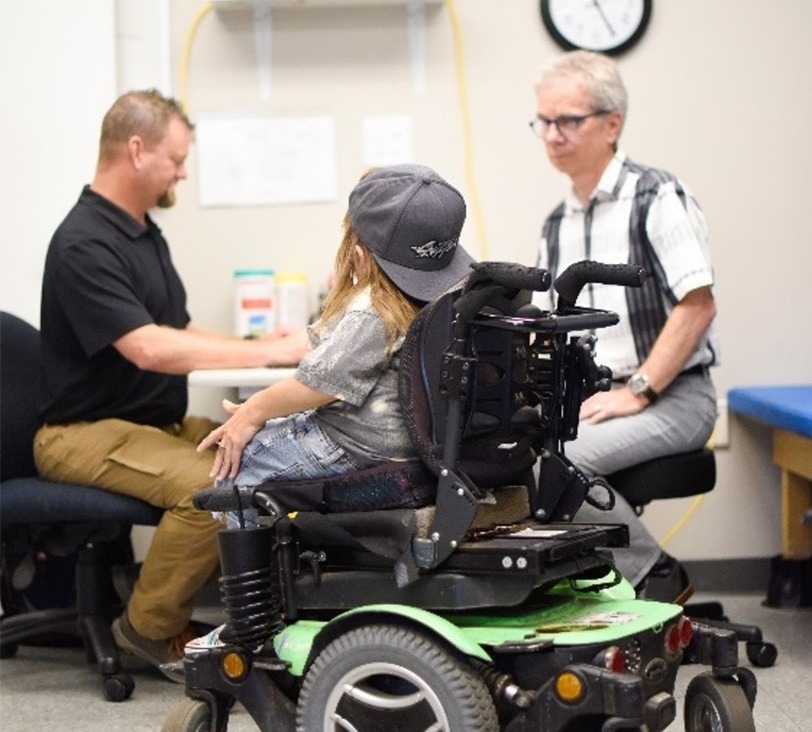
A CIDE clinician works closely with a client and a wheelchair supplier to design a chair that fits the person's needs and preferences.

Funded by

Center for Innovative Design and Engineering (CIDE)

CU Denver

The Hub, Bioengineering

1224 5th Street

Suite 130

Denver, CO 80204


303-315-1280

CMS Login