

Alternative Spring Break
The Alternative Spring Break (ASB) program provides students the opportunity to spend the week of spring break engage in an public service experience while increasing their understanding of significant social and civic engagement problems.
Trip participants attend a weekly seminar before the trip to prepare for their service experience. The seminar will include team expectations, trip overview, travel information, and team-building activities. During the trip, students participate in all educational activities, daily reflection activities, and evening group activities at the site.
Please note that all trainings/orientation sessions are mandatory and in-person.
This year’s Alternative Spring Break experience will bring together 12 students for an immersive, small-cohort leadership and cultural learning experience.
Program Cost & Payment Policy
Please note that the full program cost is strictly non‑refundable. Once payment is submitted, no portion of the fee will be returned under any circumstances, as all funds are immediately committed to securing housing, transportation, and program reservations.
Payment Details:
Installment Option: Students may pay the program cost in two installments during required training sessions rather than paying the full amount upfront. Each installment is due on its assigned date, and all payments are non‑refundable once submitted.
Selection Process
To ensure a fair and unbiased review process, all identifying information will be removed from your essays before they are evaluated. Committee members will review your written responses anonymously and will not have access to your name or personal details. Only the Coordinator for Leadership & Community Engagement will see applicant names for administrative purposes, and this individual will not participate in the selection of participants.
Your essays will be evaluated using a standardized rubric that focuses on the content of your responses; not writing style, grammar, or polish. The rubric is designed to assess how clearly you address the prompts, reflect on your experiences, and demonstrate your motivations. There are no “perfect” answers; the Committee is looking for authenticity, thoughtfulness, and honest self‑reflection.
We encourage you to respond in your own voice and share what genuinely matters to you. Your lived experiences and perspectives are the most important part of this process.By the end of this experience, students will be able to:
Leadership Development
Cultural & Historical Understanding
Community & Relationship Building
Civic Engagement & Place-Based Learning
Communication & Conflict Management
Social Justice & Responsibility
Personal Reflection & Growth
To participate in the Alternative Spring Break 2026 experience, selected students must attend all five in-person pre-trip meetings. These sessions will prepare participants for the trip, strengthen the team’s connection, and ensure everyone is ready for the experience ahead.
Pre-Trip Meeting Schedule (All Fridays 9 am – 11am):
Attendance at all meetings, in person, is required to participate in the trip.
The CU Denver Alternative Spring Break Program traveled to Washington, D.C., where seven students explored the Capitol, different museums, and volunteered to give back to the community.
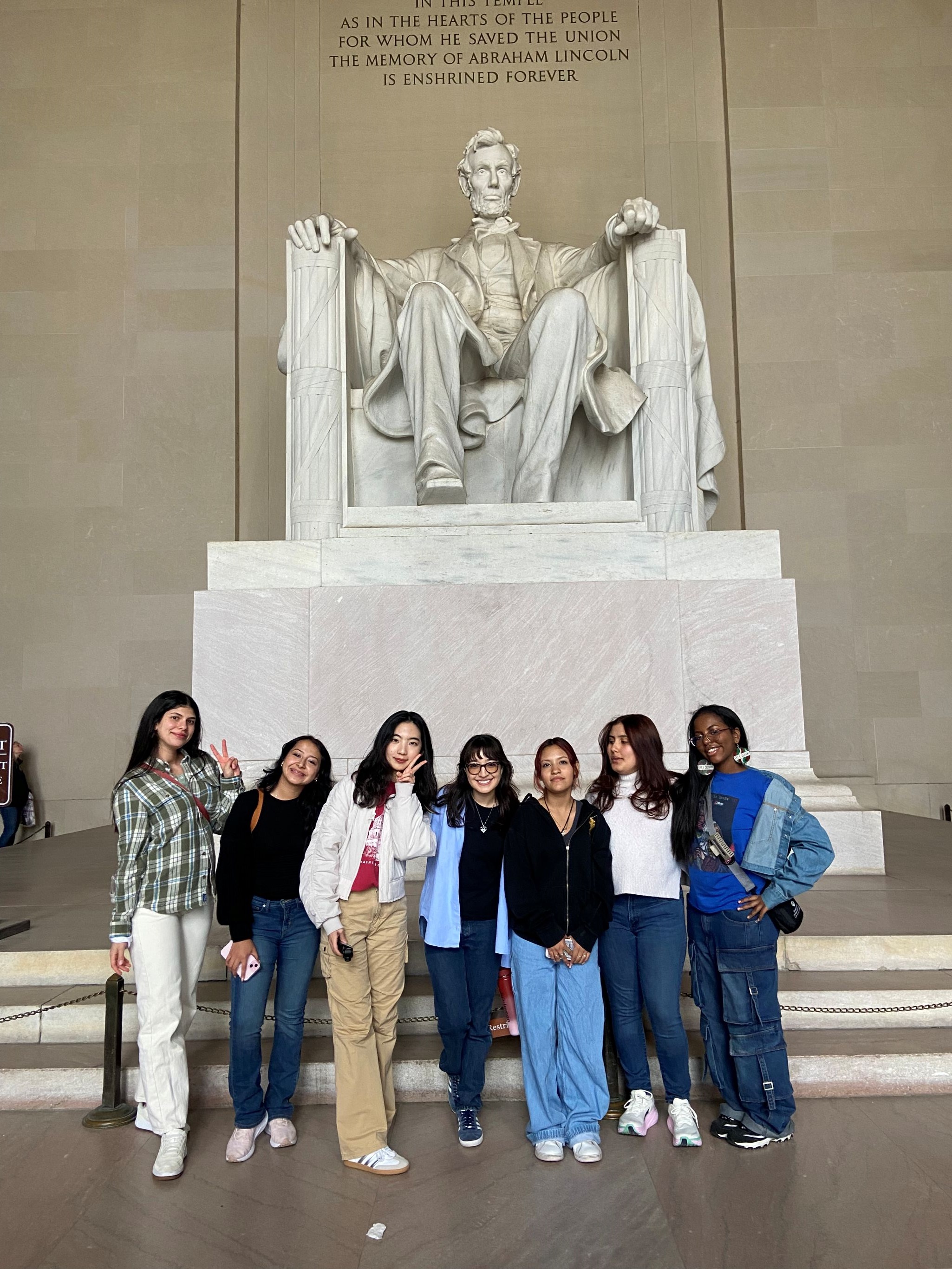

Participants received a private tour of the Library of Congress with special passes to enter the House of Representatives and the Senate Chambers. Participants also had the opportunity to meet with Senator Michael Bennet’s assistant to talk about internship opportunities.
Students learned more about our government, the history, and the process of how the government operates. Students asked many clarifying questions and reflected on our Nation’s government responsibilities.
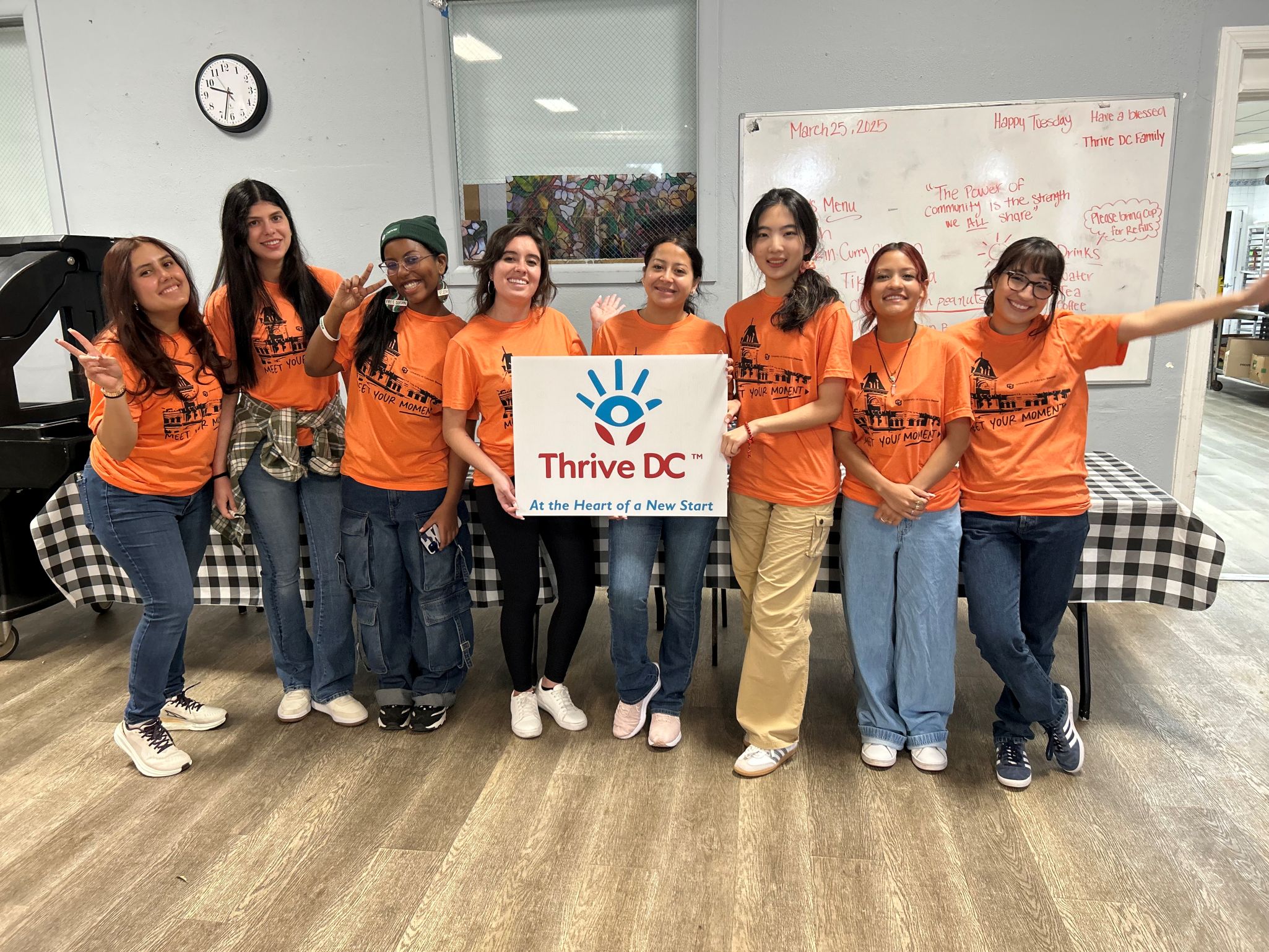
Participants volunteered their time in the morning at Thrive D.C. which is a non-profit organization that strives to provide vulnerable individuals with comprehensive services to help stabilize their lives, in Washington, D.C. services include donations, showers & laundry, warm meals, mail, and more!
Participants had the opportunity to give back to the community by serving a hot meal to 108 clients. They reflected on giving back the dignity of the person and had their perspective change on the way homelessness is experienced.
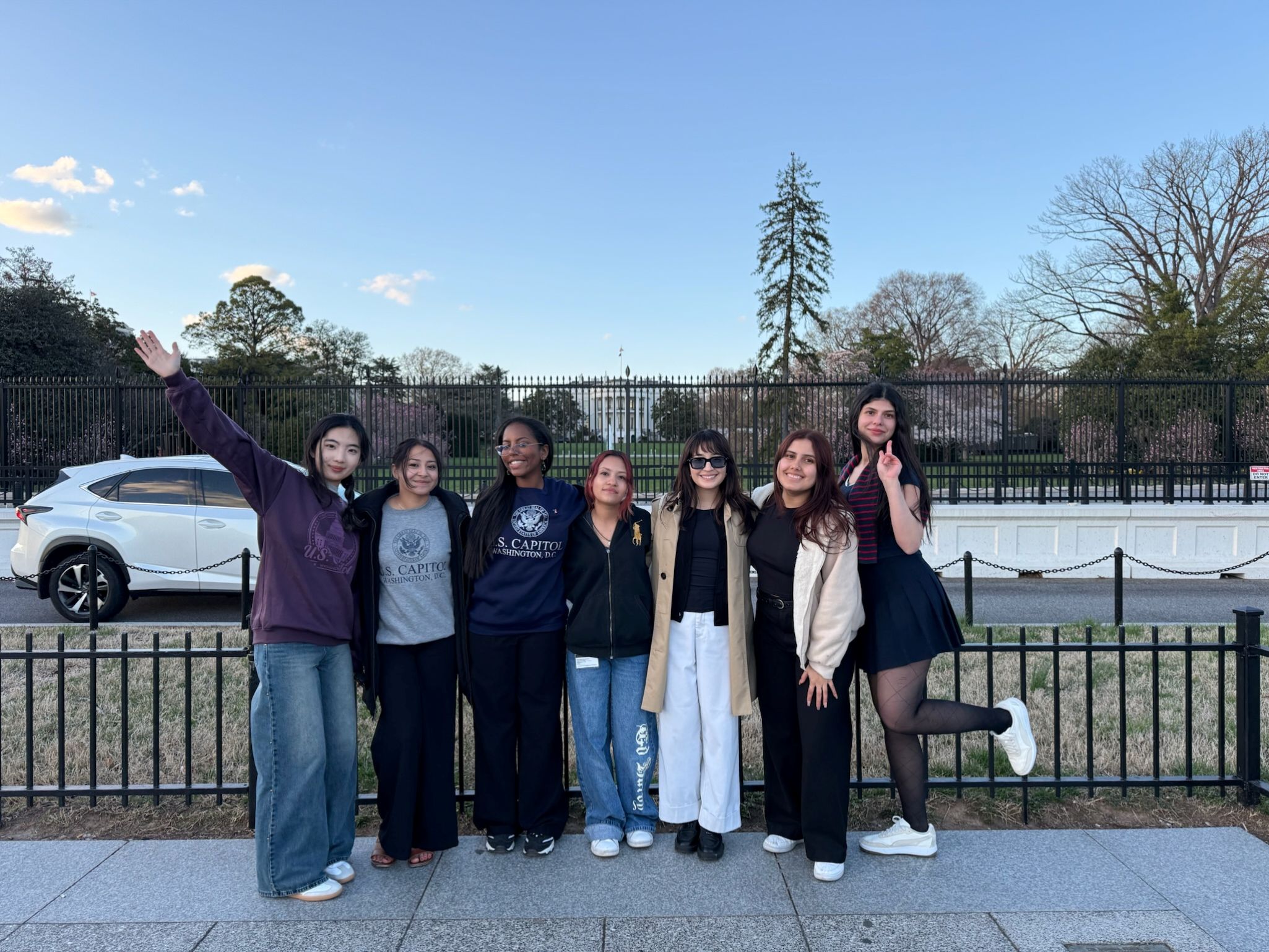
Participants walked through the historic Smithsonian to learn about African American history, the start of slavery, the civil rights movement, and how African Americans’ culture influenced today’s society.
Participants learned new aspects of slavery and the civil rights movement as well as historic moments in history that shape policy in our government. Students reflected on how community fights for rights when freedom is not free for all.
Payment Installments (If not paying in full)*
First Payment of $225 due on February 28
Second Payment of $225 due on March 14
*Fundraising opportunities available
“We need to engage with our community and share our knowledge, as many people are often unaware of how they can contribute to creating change.”
“After this trip, I hope to continue my ongoing community service projects, as well as continue to be an advocate for my communities. Whether that means staying informed, building strong communities, being politically engaged and or showing up for others.”
“I learned [at Thrive D.C.] the importance of seeing someone as a person above anything else."